Today, May 1st, Japan transitioned from the Heisei era(1989-2019) to the new Reiwa era(2019-). This time, with the Emperor abdicating while still alive, the entire archipelago is enveloped in a celebratory mood, with fireworks launched across the country. It certainly feels quite different from the previous era change following the previous Emperor’s passing in 1989.
I set out on my journey around Japan in late July 1989, the first year of the Heisei era—30 years ago now. Six months had passed since the change, and the new era name “Heisei” had already become familiar.
It was the height of summer. “I’ll start from the north for now,” I decided, heading north from Tokyo along National Route 6.
今日5月1日、「平成」から新元号「令和」に改元されました。今回は生前退位ということもあり、各地で花火が打ち上げられるなど列島全体がお祝いムードに包まれています。やはり前回の天皇陛下の崩御による改元とはかなり違っています。
私が日本一周へ出発したのは、その前回改元された平成元年1989年7月末、今から30年前になります。改元から半年が過ぎ、新元号「平成」もすでに馴染んでいました。
季節は夏真っ盛り。「とりあえず北から回ろう」東京から国道6号線を北上することにしました。
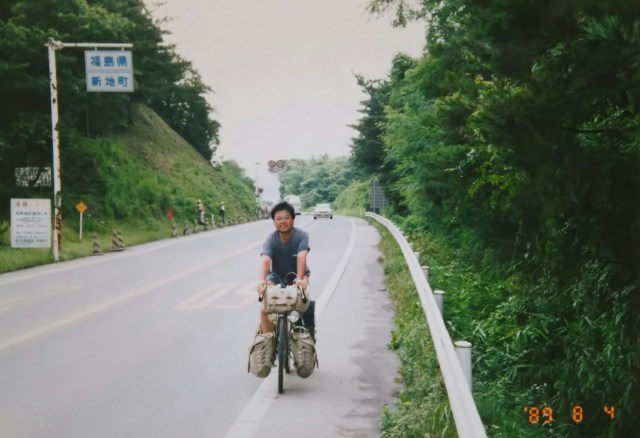
In the Katsuta area of Ibaraki Prefecture, heavy rain brought traffic to a standstill, but after passing through Hitachi on Route 6, I reached the Pacific coast. I then entered Miyagi Prefecture from Shinchi Town in the Hamadori region of Fukushima Prefecture.
茨城県の勝田周辺では大雨で走るに走れず足止め、その後6号線は日立を過ぎると太平洋岸に出ました。そして福島県の浜通りの「新地町(しんちまち)」から宮城県へと入ります。
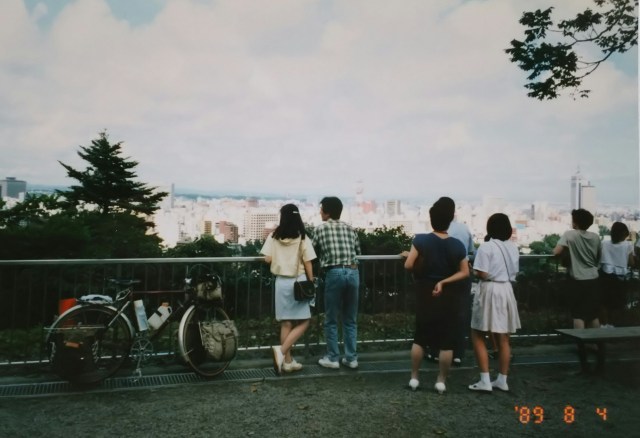
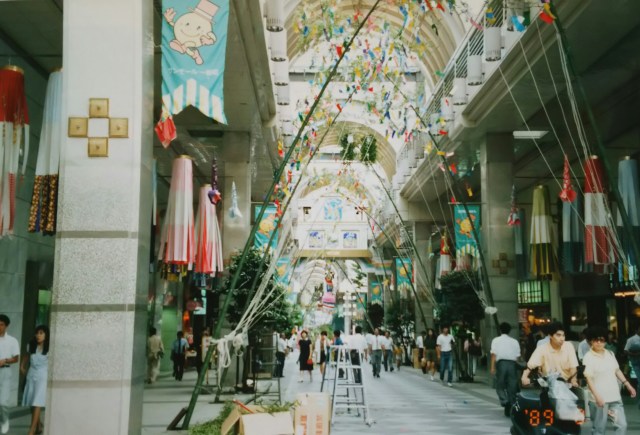
Arrived in Sendai. From Aoba Castle, you can see the entire city of Sendai. Though called Aoba Castle, it’s just a castle site, with only souvenir shops there. The photo below shows the decorations for the famous Sendai Tanabata Festival, which would begin two days later. The area around Sendai Station has well-organized blocks, giving the cityscape a clean, uncluttered look.
仙台に到着。「青葉城」から仙台市内を一望できます。青葉城といっても城址、そこにあるのは土産物屋だけでした。下の写真は二日後に初日をむかえる名物「仙台七夕」の飾りつけのようすです。仙台駅周辺は区画が整っているので街並みがスッキリと見えました。

Sendai is the terminus of Route 6. From here, we head north on Route 45.
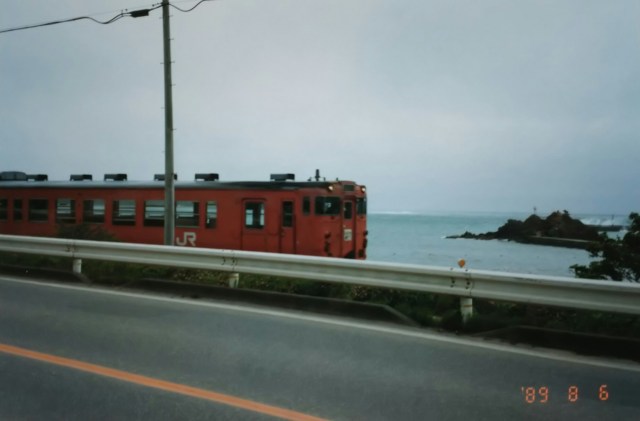
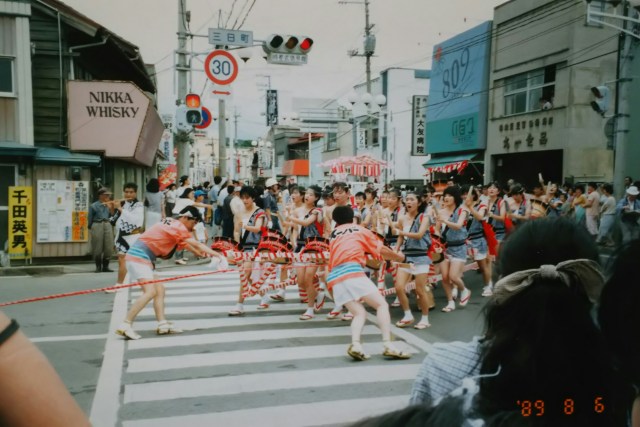
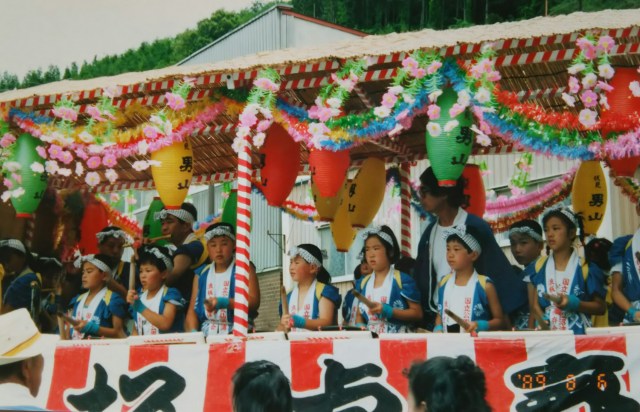
After passing Sendai, I head toward “Matsushima, one of Japan’s Three Scenic Views.” The weather isn’t ideal, and what appears to be floating are the bay sightseeing boats. In the next photo, you can see the JR logo, but at that time, the Sanriku Railway (Minami Rias Line) was already operating as a third-sector railway. And then, scenes from the “Port Festival” in Kesennuma, held while keeping an eye on the approaching typhoon.
仙台は6号線の終点。この先は45号線を北上します。
仙台を過ぎると「日本三景・松島」へ、天気がいまひとつ、浮かんで見えるのは湾内遊覧船です。次の写真、JR のロゴが見えていますが、当時すでに「三陸鉄道(南リアス線)」は第三セクターとして営業していました。そして気仙沼の「港まつり」のようす、近づく台風を気にしながらの開催です。
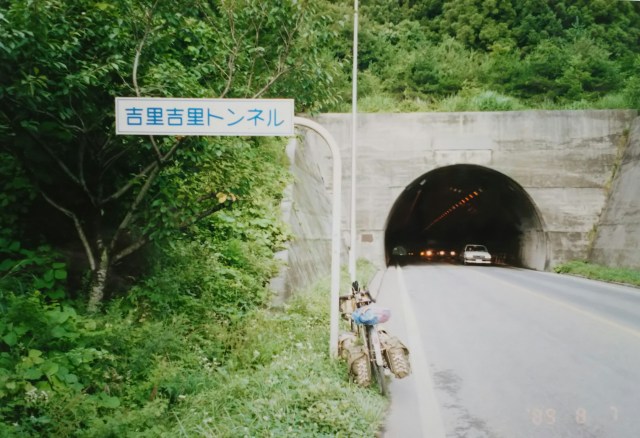
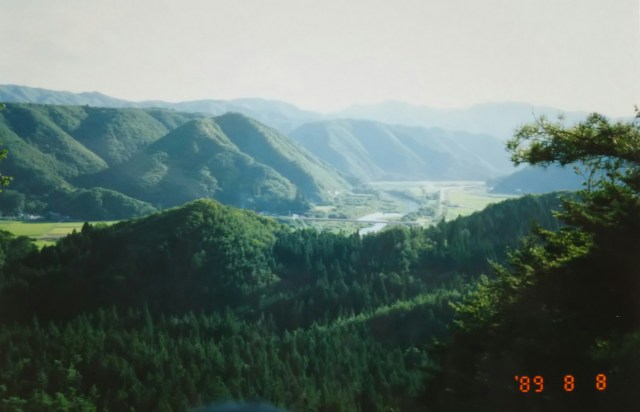
From Kamaishi, past Ōtsuchi Town to the “Kirikiri Tunnel.” Passing through this tunnel brings you to the town of Kirikiri. Kirikiri became known through the 1981 novel “Kirikiri People” by Inoue Hisashi(1934-2010). However, the novel’s setting is not here but at the prefectural border with Miyagi. The middle photo shows the scenery from Route 45, away from the coastline; it has quite a few ups and downs.
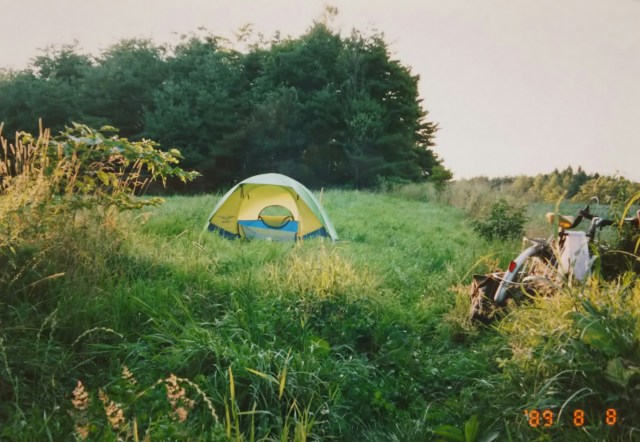
Finally, a glimpse of camping. For my overseas bike trips, I used a single-person shelter-style tent, but for my Japan tour, I opted for a spacious two-person tent for better livability. Camping often meant pitching the tent in parks, but when no park was available, I’d make do with small vacant lots. This time, it was beside a cornfield.
Next, I’ll head through Lake Towada towards Oma Port at the northern tip of the Shimokita Peninsula, where ferries depart for Muroran, Hokkaido.
釜石から大槌町を過ぎ「吉里吉里トンネル」へ、このトンネルを抜けると吉里吉里の町に出ます。吉里吉里は1981年に発行された井上ひさし氏の小説「吉里吉里人」で知られるようになりました。しかし、小説の舞台はここではなく宮城県との県境に設定されています。真ん中の写真は海岸線から離れた45号線からの風景、結構アップ・ダウンがあります。
最後は野宿のようすです。海外自転車旅では一人用のシェルター型テントを使用していましたが、日本一周では居住性を求めて広い二人用のテントにしました。野宿は公園にテントを張ることが多いのですが、公園が見つからない時はちょっとした空き地を利用させてもらっていました。この時はとうもろこし畑の横です。
この先は十和田湖を経て、北海道室蘭行きのフェリーが出る下北半島の北端、大間港を目指します。
 My Life with Bicycles