During the Warring States period, the Christian daimyo Ōtomo Sōrin used Usuki as his base, expanding his influence across Kyushu while simultaneously engaging in overseas trade with Ryukyu, Cambodia, Portugal, and other nations. Long ago, Sōrin built Usuki Castle, of which only the stone walls remain today. The site is now a park, serving as a place of relaxation for citizens. Even so, the townscape, unchanged since the Edo period, exudes a calm atmosphere.
From Usuki, I head along the coastline towards Saganoseki. Saganoseki is famous for its “Saganoseki mackerel.” Renowned for its large size, firm flesh, and rich fat content, it thrives in the Bungo Channel’s swift currents and abundant food supply. I peeked into the fishing port, but it was already evening and deserted. At one point, counterfeit Saganoseki mackerel circulated, leading to the current practice of affixing labels certified by the fishing cooperative.
Another notable feature of Saganoseki is the smelter of Nippon Mining (now Pacific Copper). Two massive smokestacks (167m and 200m tall) stand tall, built to protect crops from smoke damage. However, the sun was already setting, and the housing complex in the neighboring town had become a ghost town.
I rejoined Route 10, heading from Ōita to Beppu. After greeting (?) the monkeys at Takasakiyama, I followed the coastline. This is the familiar course of the midwinter Beppu-Ōita Marathon; it felt vaguely familiar.
“You can stay at my parents’ place in Beppu,” said Mr. A, an acquaintance, before I left Tokyo. I was delighted by his offer and had already called him the day before to make arrangements.
戦国時代のキリシタン大名、大友宗麟は臼杵を拠点として琉球、カンボジア、ポルトガルなど海外との交易と同時に九州での勢力を広げていきました。それは遠い昔、宗麟が築城した臼杵城は石垣を残すのみで今では公園として市民の憩いの場となっています。それでも江戸時代と変わらない街並みは、落ち着いた雰囲気を感じされせくれました。
臼杵から海岸線を佐賀関へ向かいます。佐賀関といえば「関サバ」です。豊後水道の急な流れと豊富なエサで大振りで身の締まった脂の乗ったサバとして有名です。漁港を覗いてみたもののすでに夕方、閑散としていました。一時期、関サバの偽物が出回り、今では漁協のお墨付きのラベルが貼られるようになっています。
そしてもう一つ、佐賀関といえば日本鉱業(現 パシフィック・カッパー)の製錬所があります。煙害から農作物を守るための巨大煙突が2本(高さ167mと200m)そびえ立っています。だだし、すでに斜陽、隣町の団地はゴーストタウン化していました。
再び10号線に合流して大分から別府へ、高崎山の猿に挨拶(?)して海岸線を行きます。真冬の別府大分マラソンでお馴染みのコース、何となく見覚えがあります。
「別府では俺の両親のトコに泊まれば」東京を発つ前に知人のAさんからの嬉しい言葉。そのつもりで前日すでにAさんに電話で連絡済みです。
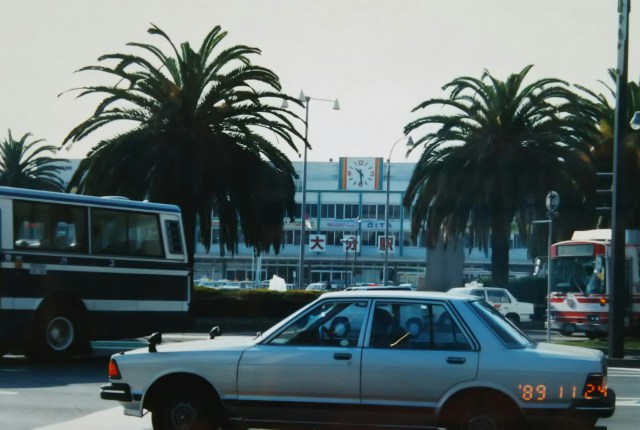
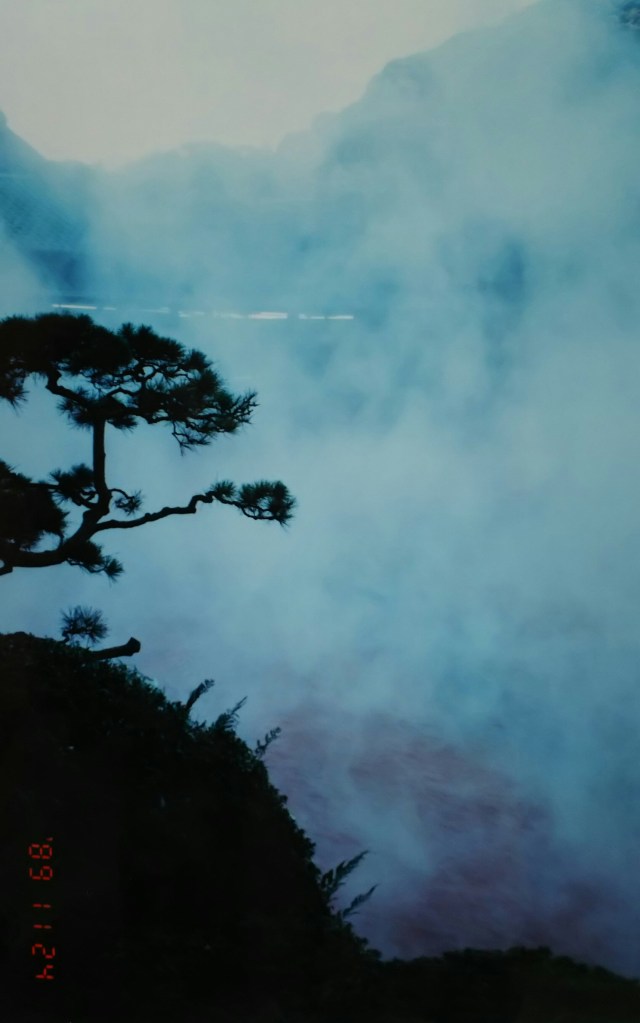
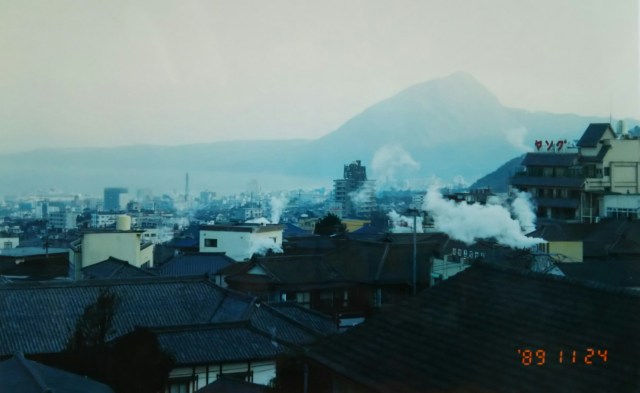
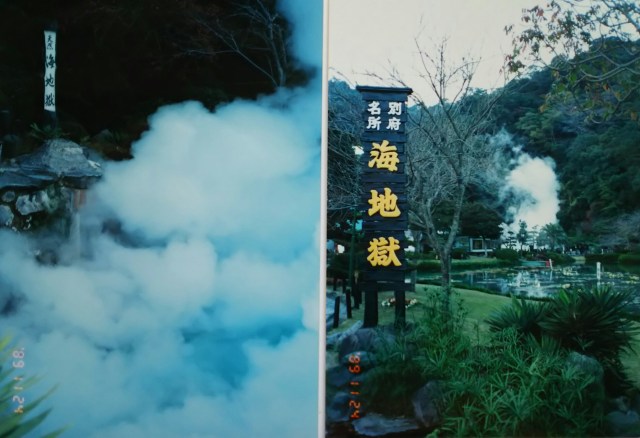
This photo is of Oita Station. Next up is Beppu’s famous Hell Tour. First is “Blood Pond Hell”—can you see the red color of the water? Beppu Onsen has the largest volume of hot spring water in Japan; as you can see, steam rises from all over town. The last photo is “Sea Hell.”
In the evening, I went to Mr. A’s parents’ house. His mother suggested I visit the neighborhood public bath before dinner. Each household contributes to the management fees, so there’s no bathing fee.
An older gentleman was already there. He said, “I’m an acquaintance of Mr. A,” and we entered the hot spring with its abundant water flow. Kamisuwa also had a public bath within the town, but Beppu has about 170 of them – again, the most in Japan. Apparently, a single neighborhood can have several bathhouses.
Dad came home, and we had grilled meat for dinner. Like me, Dad loves sake, and since we both work in printing, the conversation and drinks flowed freely.
I took Mom’s homemade bento and toured the Kunisaki Peninsula. Tonight, I’d be having dinner with the couple at the home of their mother, located in Musashi Town on the eastern side of the peninsula – that is, A-san’s grandmother’s house. Though called a house, it’s actually a shrine.
The Kunisaki Peninsula is cone-shaped, centered around Mt. Futagosan (720m). I turned from Route 10 onto Prefectural Road 655, where a steep climb began. My first destination was the Kumano Magaibutsu (Kumano Rock-Carved Buddha).
写真は大分駅です。続いて別府名物の地獄巡り。まずは「血の池地獄」、赤い湯の色がわかりますか。別府温泉の湯量は日本一、ご覧のように町中から湯煙が立ち上っています。最後の写真は「海地獄」です。
夕方、Aさんのご両親宅へ。お母さんに勧められて晩御飯の前に町内の共同浴場へ。それぞれの家で管理費を出し合っており入浴料は不要とのこと。
オッサンの先客が一人「Aさんの知り合いです」と一言告げて、湯量たっぷりの温泉に入ります。上諏訪にも町内に共同浴場がありましたが、別府はその数170ヶ所ほど、これまた日本一です。何でも一つの町内に何ヵ所もの浴場があるのだとか。
お父さんが帰宅、焼肉で晩御飯です。お父さんは私同様に酒好き、しかも同じ印刷関係の仕事ということもあり、話もお酒もすすみました。
お母さんの手作り弁当を持って国東半島を巡ります。ご夫婦とは半島の東に位置する武蔵町の母親、つまりAさんのお婆ちゃんの家で今夜も一緒に晩御飯を頂くことになっています。家といっても神社とのことです。
国東半島は標高720mの両子山(ふたごさん)を中心に円錐状になっています。10号線から県道655号線へ、キツい上りが始まりました。まずは「熊野磨崖仏」を目指します。
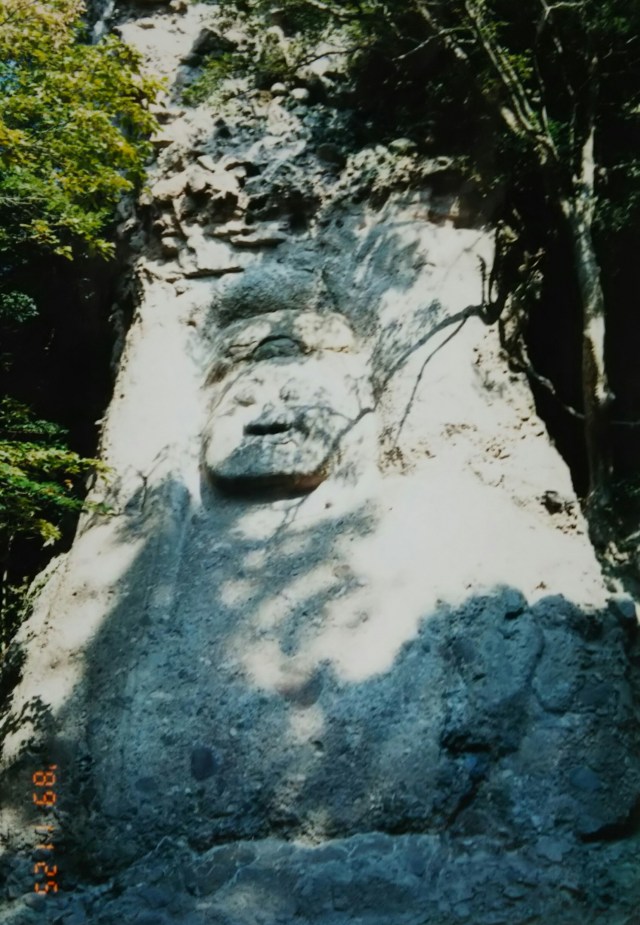
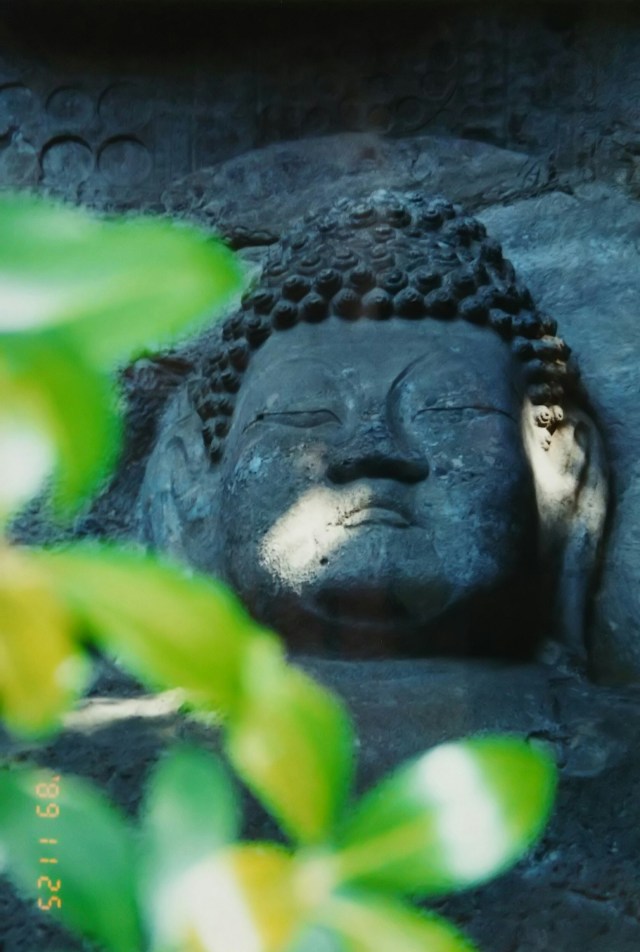
Leaving the county road, I parked my bicycle at Taizōji Temple. After climbing a steep 300-meter ascent, the view opened up before me, revealing two “Kumano Magai Buddha” carvings.
The first photo shows the half-body statue of Fudō Myōō on the left, standing about 8 meters tall. Next is a close-up of the Dainichi Nyorai statue on the right, also a half-body statue nearly 7 meters high. Both are said to have been carved between the Heian(794-1183) and Kamakura(1183-1333) periods.
Returning to the prefectural road, I proceed from the “Maki Daido” at Denshoji Temple to Fukiji Temple.
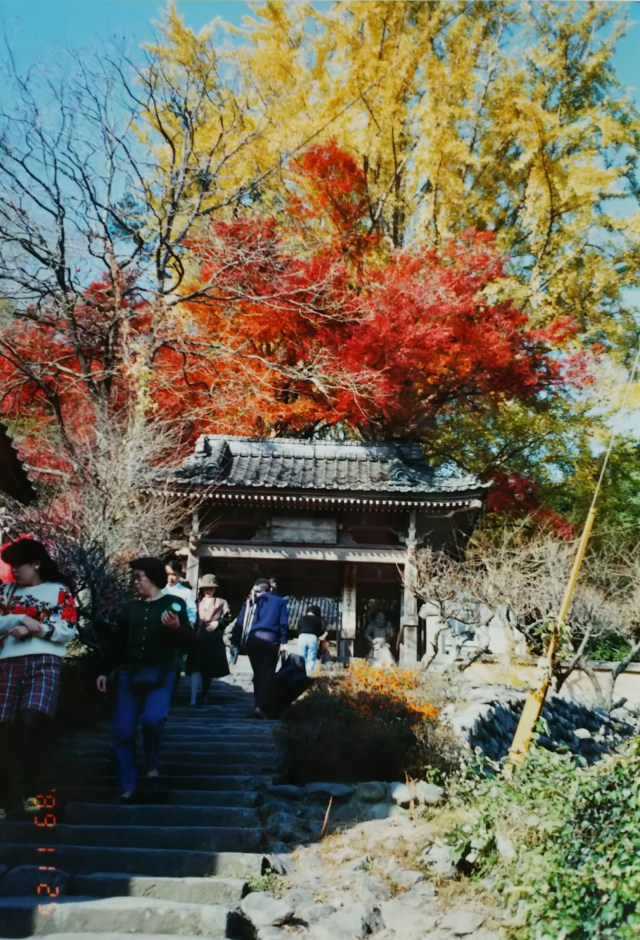
The final photo shows Fukiji Temple’s Niō Gate, beautifully framed by autumn foliage. Beyond this gate lies the National Treasure “Fukidō Hall,” the only surviving Heian-period Amida Hall in Kyushu.
Beyond Fukiji Temple, the route merges with Prefectural Road 29. The climb continued, and after another strenuous effort, we arrived at Futagoji Temple, located midway up Mount Futago.
県道から外れた胎蔵寺に自転車を置き、急な上りを300mほど行くと目の前が開けて2体の「熊野磨崖仏」が現れます。
最初の写真は左側の不動明王の半身像、高さ8mほどあります。続いては右側の大日如来像のアップ、こちらも7m近い半身像です。ともに平安時代から鎌倉時代にかけて彫られたといわれています。
県道に戻り、伝乗寺の「真木大堂」からさらに「富貴寺(ふきじ)」へ。
最後の写真は紅葉に映える富貴寺の仁王門です。この仁王門をくぐった先に平安時代の阿弥陀堂として九州に唯一現存する建築物、国宝「富貴大堂」があります。
富貴寺の先で県道29号線に合流。上りは続き、もうひと汗かいたところで両子山の中腹にある「両子寺(ふたごじ)」に到着しました。

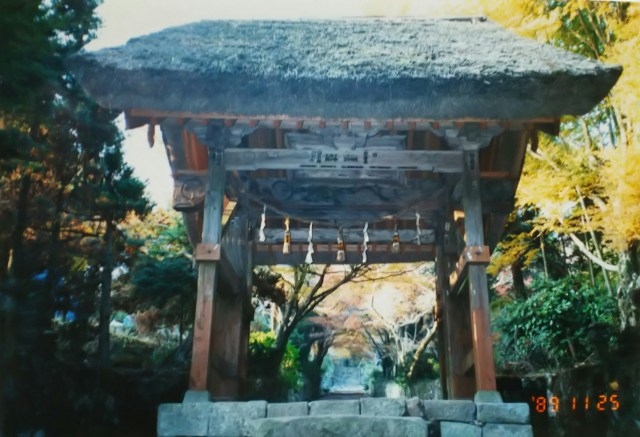
The photo shows the Nio guardian statues, standing 230 cm tall and the largest stone statues in Kyushu. Climbing the stairs beside the Nio statues leads to the mountain gate shown in the photo. Continuing further up from the mountain gate brings you to the Gomado Hall, the Great Lecture Hall, and finally the Inner Sanctuary.
It is said that during the Nara period(710-794), Bodhisattva Ninmon established 28 temples across the Kunisaki Peninsula, including the head temple, central temples, and branch temples.
The peninsula was divided into six districts (Rokugo), and the 28 temples along with their 35 branch temples were collectively called Manzan. Together, they formed the “Rokugo Manzan” complex.
It is believed that the religious culture of Shinto-Buddhist syncretism took root in this region, where mountain worship had flourished since ancient times. Futagoji Temple served as the central training ground for Rokugō Manzan Sōji-in during the Edo period(1603-1868) and continues in this role today.
From Futagoji Temple, I descended the prefectural road swiftly towards the eastern side of the peninsula, passing through Kunisaki Town facing the Iyo Sea, then further south to Musashi Town. I arrived at Ms. A’s grandmother’s house.
I’d heard it was a shrine, but it’s a truly magnificent and venerable one. Now, the grandmother herself serves as the sole priest, truly embodying the spirit of “Rokugo Manzan.”
The couple arrived at 7:30. Dinner that night was fugu hot pot. Along with last night’s yakiniku, it was a thoughtful gesture, as if to say, “You probably haven’t eaten much on your bike trip (which is true).” Grateful for this, I enjoyed drinks with the Dad.
After breakfast, Grandma kept us chatting, and I didn’t leave until past 11. Last night, just before parting, Dad gave me a bottle of whiskey. This too was a drinker’s consideration (?) – “Hot drinks are better on cold nights.”
From here, I’ll head back to Oita and take the ferry from Oita Port to Matsuyama in Ehime Prefecture.
Next time, I’ll tour Shikoku.
写真は高さ230cm、九州で一番大きい石像の仁王像です。仁王像の横の階段を上って行くと写真の山門です。山門からさらに上っていくと護摩堂、大講堂、奥の院と続きます。
奈良時代に仁聞菩薩(にんもんぼさつ)が国東半島一体に本山、中山、末山あわせて28の寺院を開いたといわれています。
半島を六つの郷に分けて六郷、28の寺院とその末寺35の寺院群を満山、合わせて「六郷満山」と呼びます。古くから山岳信仰が盛んなこの地に神仏習合という宗教文化が定着していったとされています。両子寺は江戸時代に修行の中心として六郷満山総持院とされ、現在に至っています。
両子寺から半島の東側へと県道を一気に下り、伊予灘に面した国東町、さらに南の武蔵町へ。Aさんのお婆ちゃんの家に到着しました。
神社とは聞いていましたが、たいそう立派な由緒ある神社です。今はお婆ちゃん一人自ら神職に就き、まさに「六郷満山」を地でいっていました。
7時半にご夫婦も到着、この夜の晩御飯はフグ鍋です。昨夜の焼肉といい「自転車旅ではロクなものを食べてないだろう(その通り)」という配慮に感謝しつつ、お父さんとお酒がすすみます。
朝食後もお婆ちゃん色々と話し込んでしまい出発したのは11時過ぎ、昨夜の別れ際にお父さんからウイスキーを1本もらっています。これも「寒い夜はホットがいいだろう」という酒呑みの配慮(?)からです。
この先は大分へ戻り、大分港からフェリーで愛媛県の松山へ渡ります。
次回、四国を回ります。
 My Life with Bicycles