The ferry departing Tonosho Port at 9:05 AM arrives at Okayama Port in about 1 hour and 20 minutes. From the river mouth, I head upstream along the Asahi River towards the city center.
From Okayama Station, I head to “Okayama Castle,” then to the “Yumeji Art Museum,” which displays works by the painter Yumeji Takeshita, representative of the Taisho Romantic era.
土庄港9時5分発のフェリーは、1時間20分ほどで岡山港へ到着。河口から旭川沿いを市内の中心部へとさかのぼります。
岡山駅から「岡山城」、そして大正ロマンを代表する画家、竹下夢二の作品を展示する「夢二郷土美術館」へ向かいます。
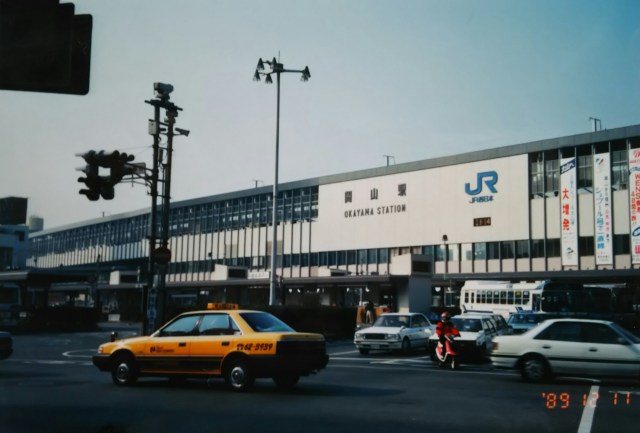
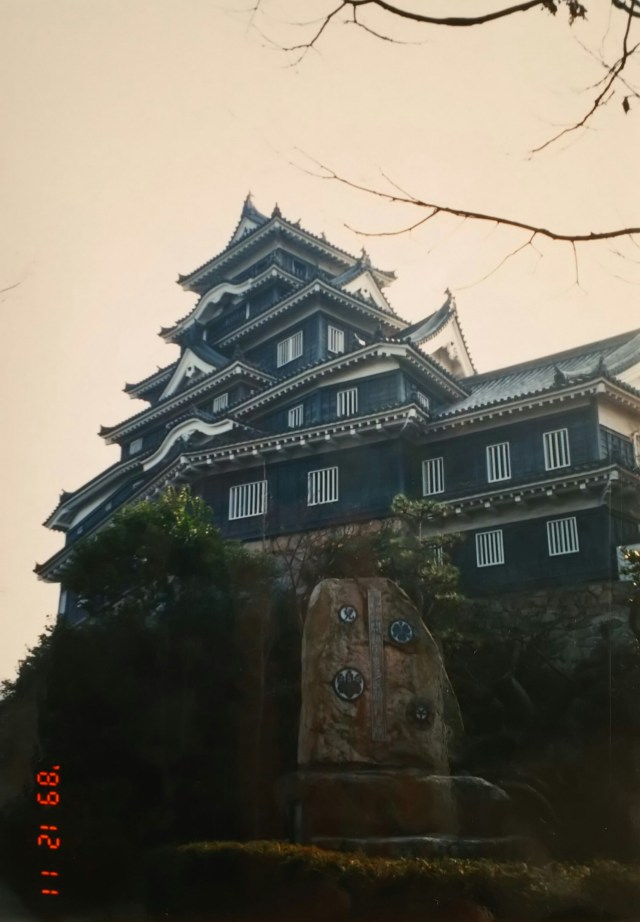
This photo shows Okayama Station. Next is Okayama Castle. Although the castle remained as military land after the Meiji-era Castle Abolition Order, it was destroyed by wartime air raids and restored after the war. Its black exterior earned it the nickname “Crow Castle” (Ujō). This seems to contrast with the alternative name “White Heron Castle” given to Himeji Castle, mentioned later.
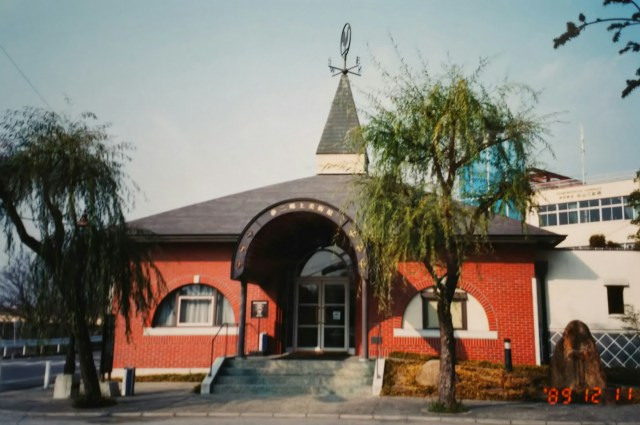
Heading north along the Asahi River, which flows behind Okayama Castle, and crossing the bridge brings you to the “Yumeji Museum of Art,” with its charming exterior shown in the photo. Okayama is Yumeji’s hometown, and the museum was built in 1984 to commemorate the 100th anniversary of his birth. Unfortunately, it was closed on this Monday, which was disappointing as I had high hopes, especially since it holds the largest collection of his works in Japan.
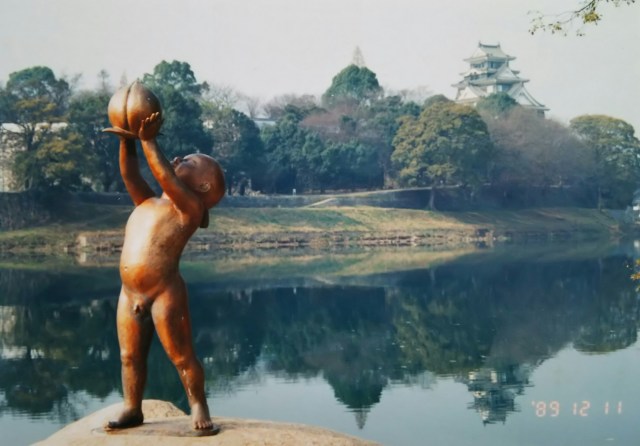
Finally, “Momo-kun by the Water,” based on the fairy tale “Momotaro.” This statue was created to commemorate Okayama’s 100th anniversary of municipal government that year. Across from Okayama Castle, on the midstream island of the Asahi River, lies Korakuen Garden, one of Japan’s three most famous gardens, created during the Edo period. I found this statue at the very edge of Korakuen.
The Momotaro story began in the Muromachi period, and today, various forms of the “Momotaro Legend” remain throughout Japan. Among these, Okayama is said to be the birthplace of the legend.
Okayama was anciently called the Kibi Province. There is a tale of Kibitsuhiko-no-Mikoto, the deity enshrined at Kibitsu Shrine within the city, defeating Ura, a troublesome prince who came from a foreign land. This story is the origin of Momotaro’s demon-slaying.
When you think of Momotaro, you think of “kibi dango” (millet dumplings), but kibi dango is actually a confectionery conceived in Okayama during the Edo period. Originally, it was created using millet seeds, playing on the pun of making a confection that would become a specialty of Kibi Province. Before long, Momotaro was depicted carrying kibi dango, and combined with the famous peaches of the region (Okayama ranks 5th nationally in peach production), the Okayama version of the Momotaro legend spread.
I’d seen statues of Momotaro dressed like the picture book character in various spots around the city. But this “Momo-kun by the Water” is completely naked, holding up peaches in both hands. It was unusual, so I took a photo.
From Okayama, I headed east on National Route 2. From Bizen City, we took National Route 250 towards Ako, famous for the “Chushingura” story. That night, we camped at the fishing port in Hinase, just before Ako.
From Hinase, I crossed the small Fukura Pass at the prefectural border, about 3 kilometers away, into Ako in Hyogo Prefecture.
Banners for the “Gishi Festival” are erected throughout Akō’s shopping district. Details aside, on December 14, 1702 (old calendar), 47 rōnin (loyal samurai), led by the chief retainer, Ōishi Kuranosuke, stormed the residence of Kira Kozukenosuke to avenge the wrongs done to their lord, Asano Naganori.
Today is the 12th; one can imagine the grand festival taking place in Ako’s streets the day after tomorrow, featuring parades with participants dressed as the loyal samurai. The Gishi Festival has been held annually on December 14th of the new calendar since 1903 (Meiji 36).
写真は岡山駅です。続いて「岡山城」、明治の「廃城令」後も軍用地としてお城は残されましたが、戦時中の空爆により焼失、戦後に復元されました。その黒い外観から「烏城(うじょう)」と呼ばれています。後述の姫路城の別名「白鷺城」との対比もあるようです。
岡山城の裏を流れる旭川沿いを北へ進み橋を渡ると、写真のかわいい外観の「夢二郷土美術館」があります。岡山は夢二の故郷、生誕100年を記念して1984年に美術館が建てられました。ところがこの日は月曜日で休館、収蔵作品数全国一ということで期待していただけに残念です。
最後は「水辺のももくん」、おとぎ話の「桃太郎」です。この年岡山は市政100年を迎え、それを記念してこの像は制作されました。岡山城の対面、旭川の中洲は江戸時代に造られた日本三名園の一つ、後楽園です。その後楽園の端ッコでこの像を見つけました。
桃太郎の話は室町時代に始まり、今では全国各地に様々な形で「桃太郎伝説」が残っています。その中でも岡山は伝説の発祥地といわれています。
岡山は古くは吉備の国と呼ばれ、市内の「吉備津神社」の祭神、吉備津彦命(きびつひこのみこと)が異国からやって来た暴れ者の王子、温羅(うら)をやっつけるという話があります。これが桃太郎の鬼退治の元ネタになります。
桃太郎といえば「きび団子」ですが、きび団子は江戸時代に岡山で考えられたお菓子です。もともと何か吉備の国の名物となるお菓子をと語呂合わせのように黍(きび)の実を使って作られたのです。いつの間にか桃太郎はきび団子を持ち、名産品の桃(県の生産量は全国5位)ともあいまって岡山の桃太郎伝説は広まっていきました。
市内の所々で絵本に出てくる格好をした桃太郎像を見ていました。ところがこの「水辺のももくん」はフルチン姿で両手に持った桃を掲げています。珍しいので写真を撮ってみました。
岡山から国道2号線を東へ。備前の街から国道250号線で「忠臣蔵」でお馴染み赤穂を目指します。この日は赤穂の手前、日生(ひなせ)の漁港でテント泊。
日生から3キロほど、県境の小さな福浦峠を越えて兵庫県の赤穂へ。
赤穂の商店街のそこかしこに「義士祭(ぎしさい)」ののぼりが立っています。詳細は省きますが、元禄15年12月14日(旧暦)、筆頭家老の大石内蔵助を始めとする47名の浪士(義士)が主君、浅野内匠頭長矩の無念をはらすために吉良上野介宅に討ち入ります。この日は12日、明後日には義士姿でのパレードなど赤穂の街で盛大なお祭りが催されるのが想像できます。義士祭は1903年(明治36年)から毎年、新暦の12月14日に開催されています。
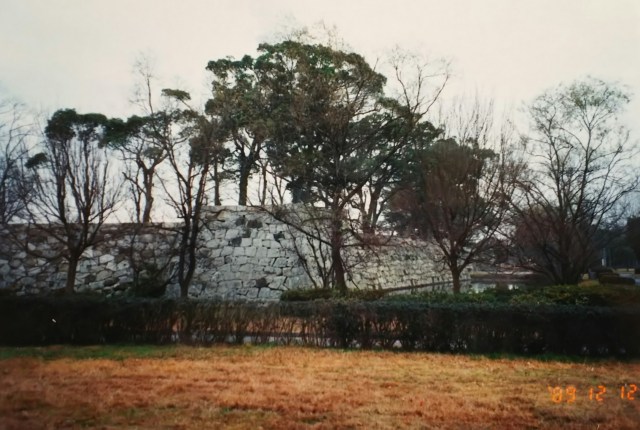


This photo shows the ruins of Ako Castle, where stone walls remain. Ako High School stood on the site until 1981, but relocated when the castle’s restoration was decided. The photo depicts the foundation work for that restoration. In the foreground, you can see the remaining iron gate with the characters for “Prefectural Ako High School.”
Finally, this is the front entrance of the row house where Oishi Kuranosuke lived. Adjacent to the row house stands Oishi Shrine, enshrining three generations of the Asano family, beginning with Lord Nagamasa.
写真は石垣が残る赤穂城跡です。跡地には1981年まで赤穂高校がありましたが、城の復元が決まり移転しました。写真はその復元のための基礎工事のようすです。手前は残された鉄の門扉、県立赤穂高校の文字が見えます。
最後に大石内蔵助の住んでいた長屋の正面入り口です。長屋の隣には大石神社があり、内匠頭長矩を始め浅野家三代が祀られています。
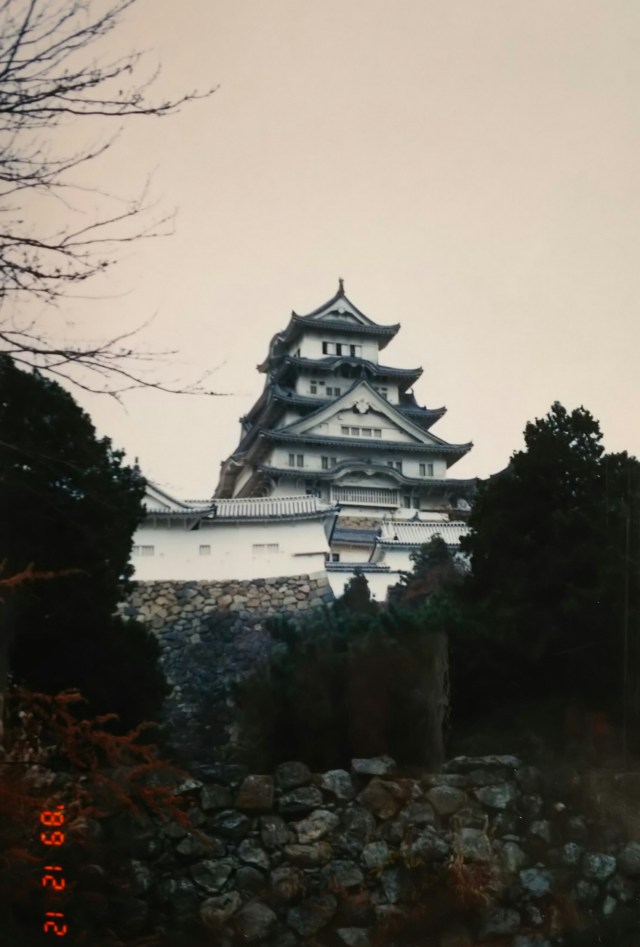
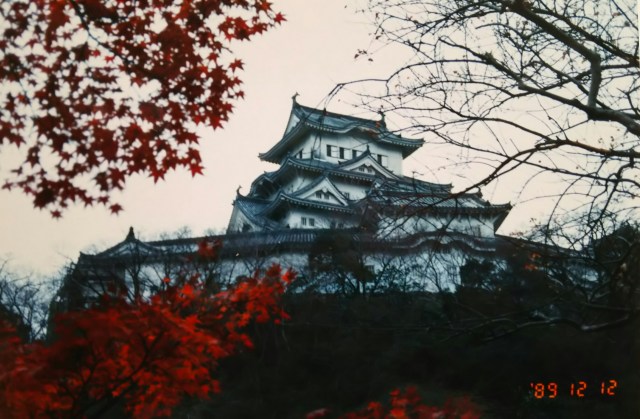
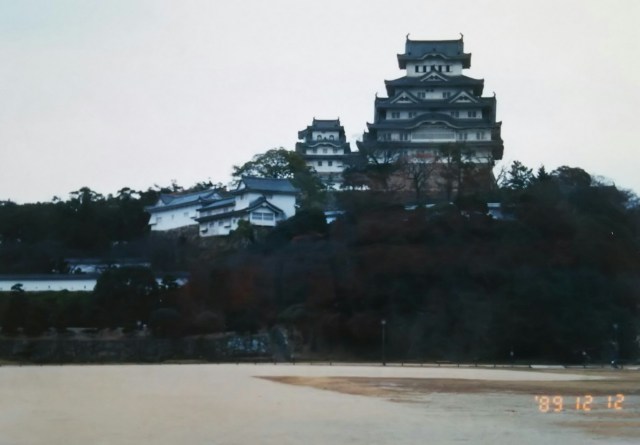
Back on Route 2 to Himeji, the photo shows Himeji Castle standing atop Himeyama Hill. Its beautiful silhouette evokes a white egret spreading its wings, earning it the nickname “White Egret Castle.” If the weather had been clearer, the castle’s whiteness might have stood out even more. There are twelve castles nationwide with surviving keep towers, stretching from Hirosaki Castle in the north to Kochi Castle in the south. Himeji Castle is one of them.
It is said that in ancient times, there were over 20,000 castles in Japan in the broadest sense. Of these, approximately 3,000 had keep towers. The Edo period’s “One Castle per Province Law” reduced this to 170 castles, and the Meiji period’s Castle Abolition Edict further reduced them to 20. The 20 remaining castles had specific reasons for preservation, such as conversion into military land. However, even these 20 castles were reduced to 12 during wartime air raids.
Himeji Castle has a long history dating back to the Nanboku-chō period. Later, when Toyotomi Hideyoshi used it as a base for his campaign against the Mōri clan, renovations were carried out. The current main keep dates from the early Edo period and is a National Treasure. Furthermore, in 1993, it was designated as one of Japan’s first World Heritage Sites, alongside Hōryū-ji Temple in Nara.
After the war, many castles across Japan were restored or rebuilt, increasing the total to around 200 today. What exactly was the Meiji government’s Castle Abolition Order all about?
再び2号線で姫路へ、写真は姫山の丘に立つ姫路城です。美しいたたずまいは羽を広げたシラサギを連想させ、別名「白鷺城」と呼ばれています。天気が良ければもう少しお城の白さが映えたのかも知れません。天守が現存するお城は北は弘前城から南の高知城まで全国に12城あります。姫路城はその中の一つです。
古くは全国に広い意味でのお城が2万以上あったといわれています。そのうち約3,000のお城に天守があったそうです。江戸時代の「一国一城令」でそれが170城に減り、さらに明治の廃城令で20になります。残された20のお城は軍用地としての転用などそれなりの理由がありました。しかし、それら20のお城も戦時中の空爆で12までに減ってしまいます。
姫路城の歴史は古く南北朝時代までさかのぼります。後に豊臣秀吉が毛利家討伐の拠点として居城した時には改装も行っています。現在の天守は江戸時代初期の物で国宝です。また、1993年に奈良の法隆寺とともに日本で最初の世界遺産に指定されています。
戦後、全国各地で多くのお城が復元、再築され、今では200城ほどに増えました。明治政府の廃城令とはいったい何だったのでしょうか。
Akashi is the city of Japan Standard Time, located on the 135th meridian east longitude. There are about 40 meridian monuments spread across 12 cities, including Akashi in Hyogo Prefecture, as well as Kyoto Prefecture and Wakayama Prefecture. I also saw a monument in Amino Town (now Kyotango City) facing the Sea of Japan.
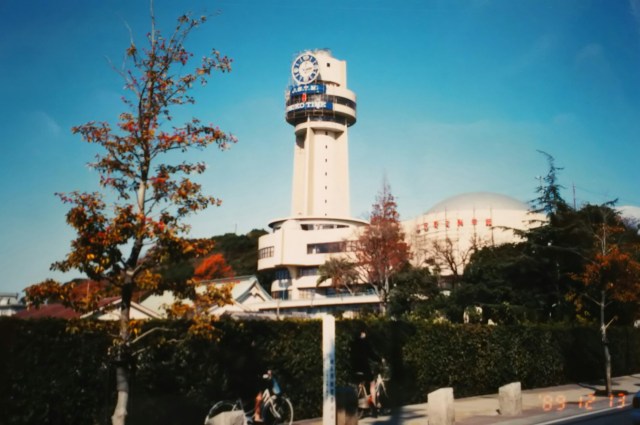
The photo shows the tower clock at the Akashi Municipal Astronomical Science Museum, located on the meridian. Standing nearly 50 meters tall with a dial over 6 meters wide, this is the second-generation tower clock. Below the clock, the letters J.S.T.M. (Japan Standard Time Meridian) are visible, with “SEIKO TIME” beneath them. This tower clock was damaged in the Great Hanshin-Awaji Earthquake and is now the third-generation structure.
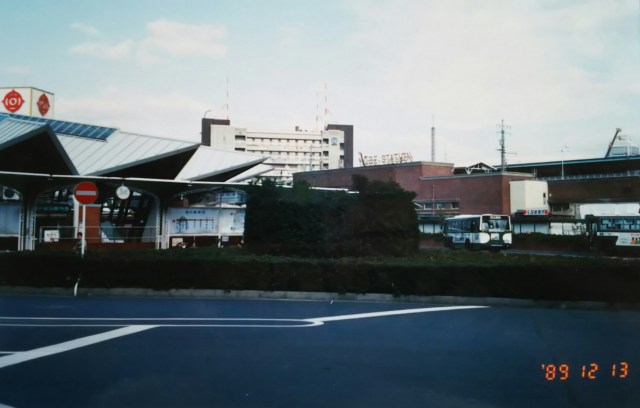
The second photo is of Kobe Station. Next, crossing the Kobe Bridge to the artificial island “Kobe Port Island,” touted as the “Maritime City of the 21st Century.” With mountains pressing close behind Kobe, expansion meant moving seaward. At the time, land reclamation was underway further south; upon completion, it was to become Japan’s largest artificial island.
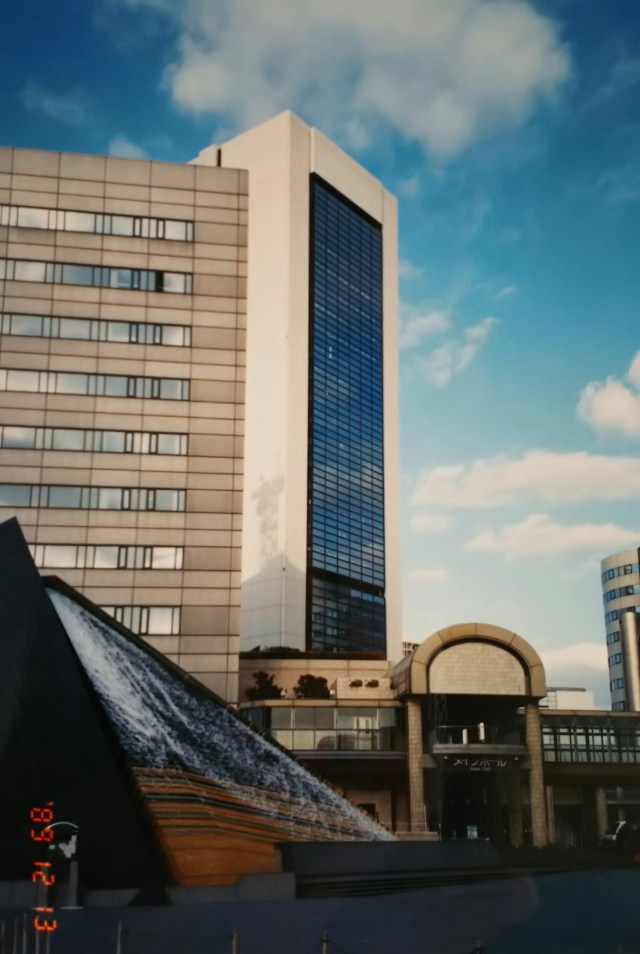
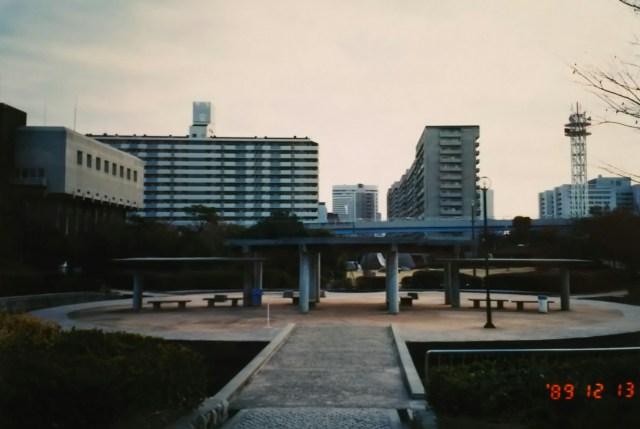
The photos show the “Kobe International House” and then “Port Island Central Park.” Later, Port Island suffered significant damage from liquefaction during the Great Hanshin-Awaji Earthquake, but it recovered in step with the construction of Kobe Airport offshore.
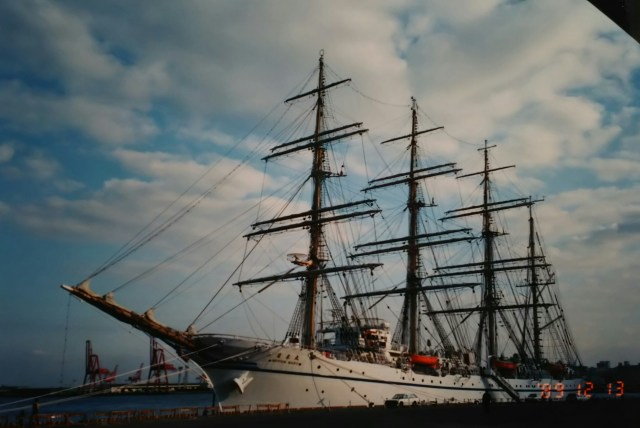
Finally, the training ship “Nippon Maru II” is docked in the harbor. Completed in 1984, it is a large sailing ship with a total length of 110 meters.
明石は日本の標準時、東経135度、子午線の街です。兵庫県の明石ほかに京都府、和歌山県と12の市にまたがり約40の子午線モニュメントがあります。日本海に面した網野町(現 京丹後市)でもモニュメントを見ていました。
写真は子午線上の明石市立天文科学館の塔時計です。高さ50m近く、文字盤の大きさ6m以上、2代目の塔時計です。時計の下に J. S. T. M.(ジャパン・スタンダード・タイム・メリディアン)、その下に SEIKO TIME の文字が見えます。この塔時計は阪神淡路大震災で被災し、現在は3代目になっています。
2枚目の写真は神戸駅です。次に神戸大橋を渡って「21世紀の海上都市」と謳われた人口島「神戸ポートアイランド」へ。神戸はすぐ後ろに山が迫っており、広がるなら海側へということです。当時はさらに南を埋め立て中で、完成すれば日本一の広さの人口島になるということでした。
写真は「神戸国際交流会館」、続いて「ポートアイランド中公園」です。その後、ポートアイランドは阪神淡路大震災による液状化で大きなダメージを受けましたが、沖合いの神戸空港の建設と歩調を合わせるように復興しました。
最後は港にちょうど停泊中の練習帆船「日本丸Ⅱ世」です。1984年に竣工、総長 110mの大きな帆船です。
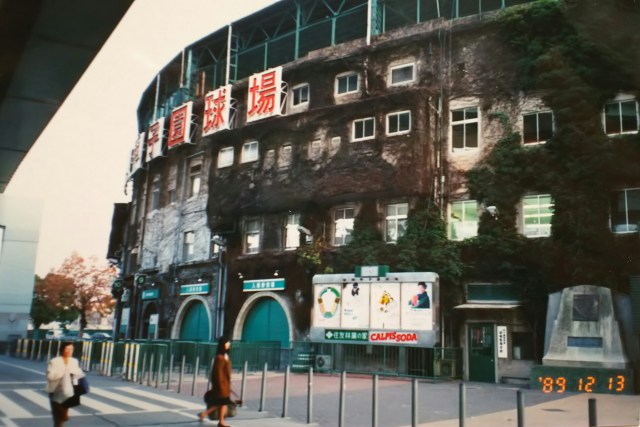
The familiar Hanshin Electric Railway-owned “Koshien Stadium” is located in Koshien-cho, Nishinomiya City, Hyogo Prefecture. Right next door, across the Mukogawa River, is Amagasaki City, Osaka Prefecture.
Next time, we’ll run from Osaka to Wakayama and Mie.
阪神電鉄所有のお馴染み「甲子園球場」、場所は兵庫県西宮市甲子園町です。すぐお隣は武庫川をはさんで大阪府尼崎市になります。
次回、大阪から和歌山、三重と走ります。
 My Life with Bicycles