After browsing Wajima’s famous morning market, I set off for my next destination: Tojinbo in Fukui Prefecture.
The national highway from Wajima to Hakui has more ups and downs than the eastern part of the peninsula, crossing several small mountain passes. Leaving the highway, I reached the coastline known as “Noto Kongo,” where bizarre rock formations and cliffs stretch for about 20 kilometers.
My destination for the day was Hakui. In Wajima, someone had told me, “Go see the Karatoyama Sumo in Hakui.” Officially called the “Karatoyama Shinto Ritual Sumo,” it’s a shrine ritual where sumo is dedicated at Hakui Shrine. The deity enshrined at Hakui Shrine, Iwatsukuwake-no-Mikoto, was fond of sumo. Every year on his memorial day, September 25th, amateur wrestlers gather from nearby areas to dedicate sumo matches. Fortunately, it was that very day.
Returning to the national highway, a front brought heavy rain accompanied by strong winds. I took shelter from the rain for about two hours starting in the evening. “This rain signals the arrival of proper autumn,” I felt.
Delayed by the rain, I arrived in Hakui past 8:00 PM. We’d heard the dedication sumo matches lasted from evening until around 10:00 PM, but considering the time, I decided not to go to the Karatoyama Sumo Arena. Instead, I waited for the wrestlers along the approach path leading to Hakui Shrine. They would come to report that the dedication had been completed safely.
輪島名物の朝市を冷やかした後、次なる目的地福井県の東尋坊へ向けて出発します。
輪島から羽咋(はくい)への国道は半島東部に比べてアップダウンが多く、小さな峠をいくつも越えて行きます。国道を外れ「能登金剛」と呼ばれる海岸線へ、20キロほど奇岩、断崖が続きます。
この日の目的地は羽咋。輪島で「羽咋で唐戸山相撲を見てごらん」と声をかけてもらいました。正式には「唐戸山神事相撲」と呼ばれる羽咋神社に相撲を奉納する神事です。羽咋神社の祭神、磐衝別命(いわつくわけのみこと)が相撲好きで、毎年その命日の9月25日に近在から素人力士が集まり相撲を奉納するのです。運がいいことにその当日でした。
国道に戻ると前線の通過で強風をともなう大雨に、夕方から2時間ほど雨宿りとなりました。「この雨で本格的な秋が来るな」そんな気がしました。
雨宿りに時間を取られ羽咋に着いたのは夜8時過ぎ。奉納相撲は夕方から夜10時ごろまで続くと聞いてきましたが、時間を考え唐戸山相撲場へ行かずに羽咋神社へ続く参道で力士を待つことに。無事に奉納を終えたことを報告にやって来るのです。
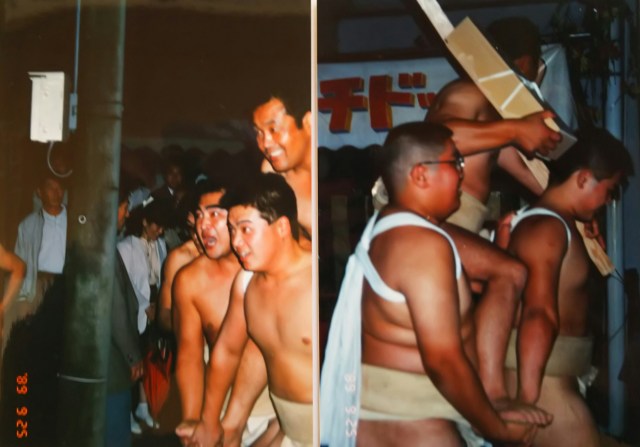
This is a photo from that time. About a kilometer from the sumo arena to the shrine, despite it being Monday night, many people wait along the approach for the wrestlers’ arrival. Two groups of horsemen arrived. The one being carried on shoulders is the Ōzeki who just finished the final bout, known as the Okuyumi.
The left photo shows them heading toward the shrine. The right photo shows them leaving after reporting and receiving various items passed down since ancient times from the chief priest. The photos convey the sheer intensity of the ceremonial sumo itself and the relief felt upon safely concluding the ritual.
Originally, the highest rank in sumo was Ōzeki. The belts worn around the waists of Ōzeki and Sekiwake, who were permitted to enter the ring, were called Yokozuna. In other words, Yokozuna was an honorary title. Even in the so-called professional sumo that began in the Edo period(1603-1868) for entertainment purposes, the initial Yokozuna were Ōzeki or Sekiwake. Modern sumo incorporates many elements from the ancient shrine sumo rituals practiced nationwide. Yokozuna as the highest rank was only established during the Meiji era(1868-1912).
The town of Hakui seemed electrified that night. I didn’t pitch my tent in the park until midnight.
これがその時の写真です。相撲場から神社まで1キロほど、月曜日の夜だというのに多くの人が参道で到着する力士を待っています。二組の騎馬がやって来ました。肩車されているのが奥弓(おくゆみ)といわれる結びの一番を取り終えた大関です。
左の写真は神社に向かうところ。右の写真は報告を終え、宮司から古くから伝わるもろもろを受け取って引き上げるところです。写真から奉納相撲そのものの気迫と無事に神事を終えた安堵感が伝わってきます。
本来相撲の最高位は大関です。土俵入りを許された大関や関脇が腰に巻いたのが横綱といわれるものです。つまり横綱は名誉位、江戸時代から始まった興業目的のいわゆる大相撲も当初の横綱は大関や関脇だったのです。現在の大相撲は古くから全国各地に伝わる神事としての相撲から多くを取り入れています。横綱が最高位として確立されたのは明治になってからです。
この夜の羽咋の街はテンションが上がっているようでした。私が公園にテントを張ったのも夜中の12時になってからです。
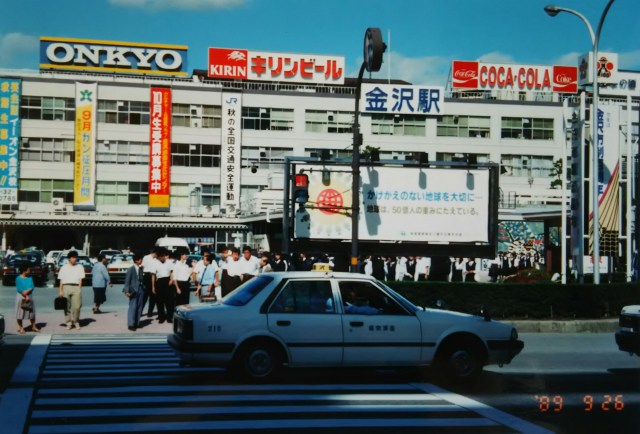
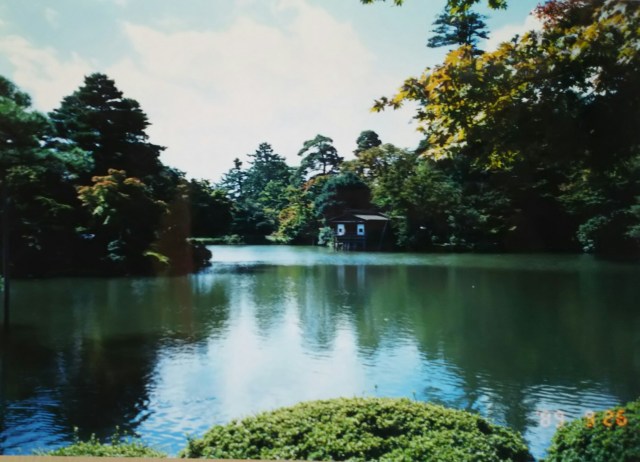
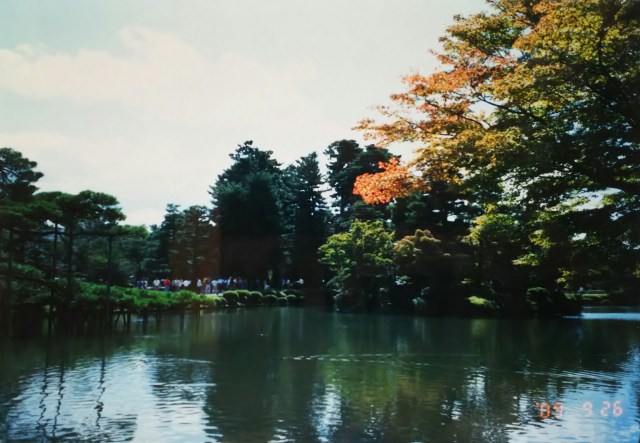
Back on Route 8 to Kanazawa. Kanazawa is a city with a calm atmosphere. To Kenroku-en Garden, its representative site, admission ¥300. Mattō, Komatsu, and then to Kaga. Katayamazu Onsen, Yamashiro Onsen – this area is a hot spring resort. I veered off Route 8 midway for a quick soak at the public baths of Awazu Onsen, then camped in a nearby park.
Just past Kaga, I entered Fukui Prefecture and headed for Tojinbo, Fukui’s representative tourist spot.
Tōjinbō was the name of a monk. He was a violent monk, so even his fellow monks disliked him. One day, Tōjinbō visited this area for pleasure. While drunk, he was pushed off a cliff by a rival monk, who had enlisted the help of his companions. This incident is the origin of the place name.
再び8号線を金沢へ。金沢は落ち着いた雰囲気の街、代表する兼六園へ、入園料300円。松任、小松、そして加賀へ。片山津温泉、山代温泉とこのあたりは温泉郷、途中で8号線から外れて粟津温泉の共同浴場でひとっ風呂、その後近くの公園でテント泊。
加賀を過ぎるとすぐに福井県、福井を代表する観光地東尋坊へ向かいます。
東尋坊は坊さんの名前です。乱暴者の坊さんゆえ仲間の坊さんからも嫌われていました。ある日、行楽目的でこの地を訪れた東尋坊は酔ったところを仲間の手助けを得た恋敵の坊さんに崖から突き落とされてしまいます。それが地名の由来となっています。
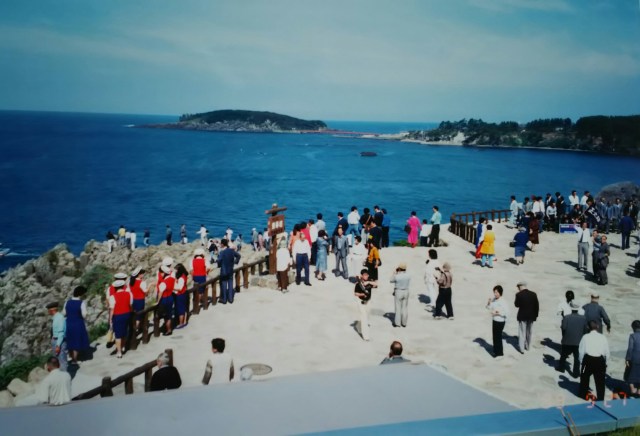
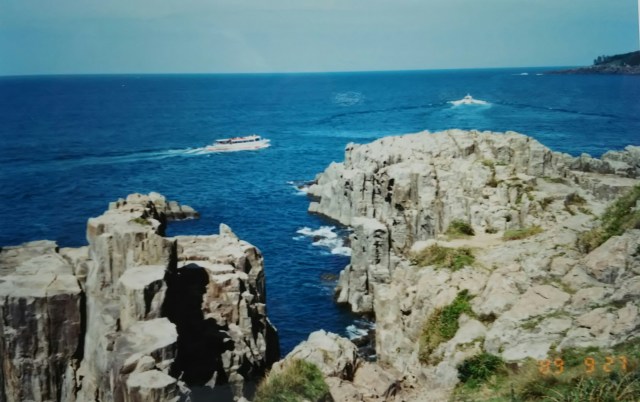
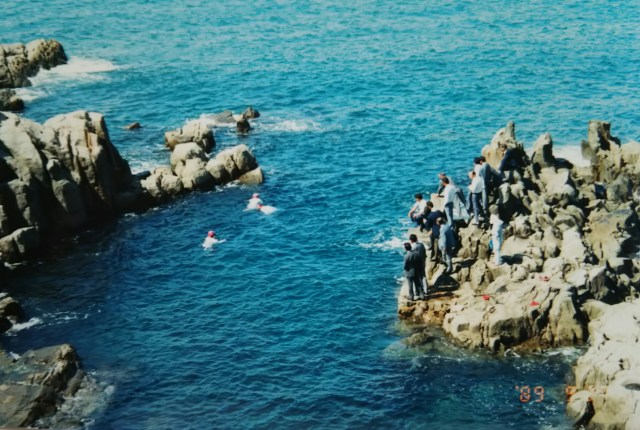
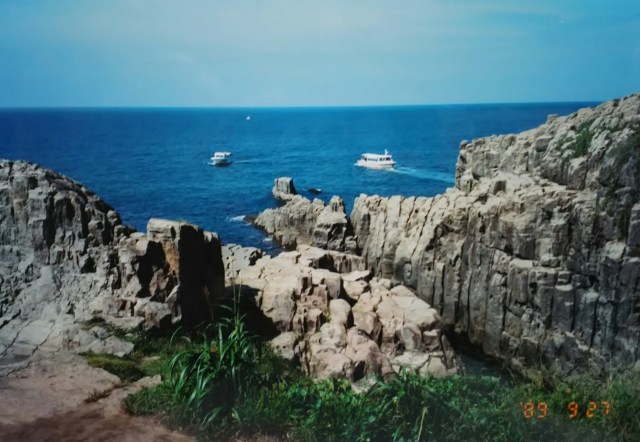
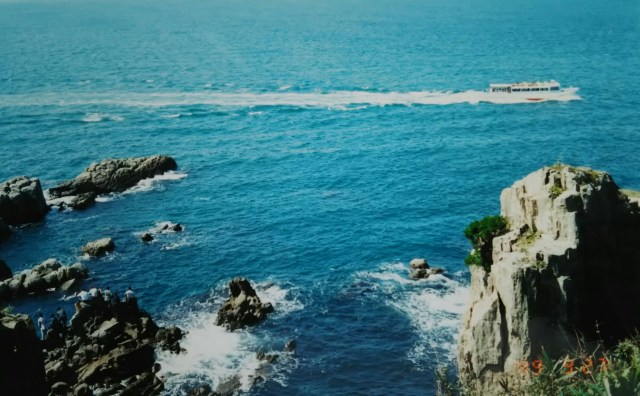
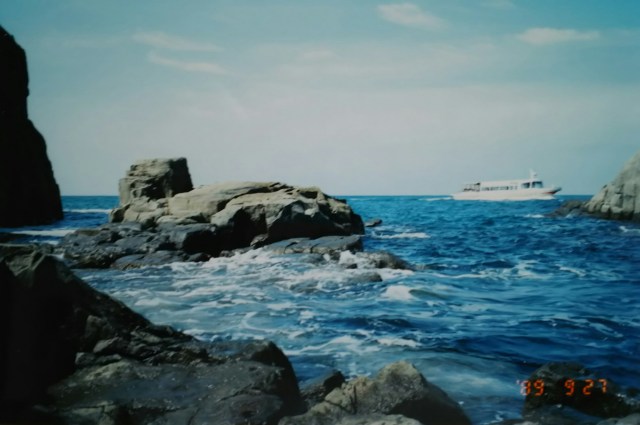
The area bustles with crowds of tourists. The third photo shows visitors watching a tourist diver’s performance from the rocky shore. The sightseeing boat pier is also located below the rocky shore—or rather, the cliff—making boarding a bit tricky. The rocky shore stretches about one kilometer along the coastline.
Next is a rare columnar jointing cliff, standing 25 meters tall. Is this where people jump to their deaths? Along with Fuji’s Aokigahara Forest, Tojinbo is also known as a notorious suicide spot. Signs urging people to reconsider suicide were placed in several locations.
Next time, I head to the “World Design Expo” in Nagoya.
大勢の観光客で賑わっています。3枚目の写真は観光海女さんの潜りっぷりを岩場から観光客が見ているところです。遊覧船乗り場も岩場というか崖の下、乗船するのにも気を使います。岩場は海岸線に約1キロ続きます。続いて世界でも珍しい高さ25mもある柱状節理の崖です。ここから投身自殺をするのでしょうか、東尋坊は富士の樹海とともに自殺の名所としても知られています。自殺を思い止まるように書かれた看板が数ヵ所に設置されていました。
次回、名古屋の「世界デザイン博覧会」へと向かいます。
 My Life with Bicycles